
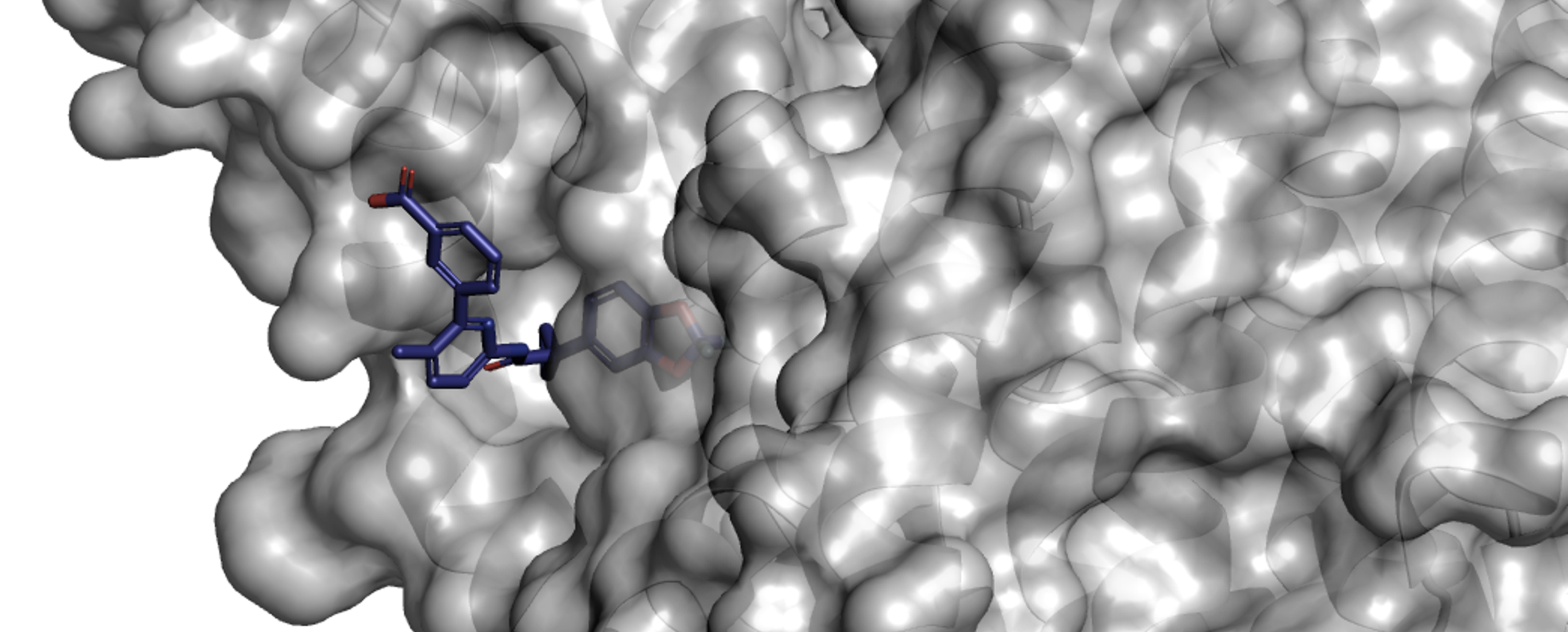
What is a Pharmacological Chaperone?
Pharmacological Chaperones (PCs) are small molecules that restore the proper folding of misfolded proteins. Back to Index
How are PCs classified?
PCs are broadly categorized into two distinct types: First-generation (Orthosteric) and Second-generation (Allosteric). For clarity and consistency in classification, we have designated compounds with inhibitory effects as First-generation PCs when the binding site is not explicitly identified in the literature. Conversely, drugs that lack inhibitory effects but stabilize their targets, or those targeting non-enzymatic proteins, are classified as Second-generation PCs. Back to Index
What is a Rare Disease?
According to Orphanet, rare diseases (RD) are conditions that affect a small number of individuals compared to the general population (≤ 1 in 2,000 people in Europe). Back to Index
What is a Rare Conformational Disease?
A subset of rare diseases in which the pathogenic phenotype is associated with protein misfolding. Back to Index
What is a protein variant?
A modified form of a protein. In our database, we have curated pathogenic and likely pathogenic missense variants from UniProt that are associated with conformational rare diseases (RDs). Back to Index
How is a protein variant characterized?
The amino acid substitution was characterized with several descriptors, for both the native and the mutant residue. These descriptors include the residue's RSA in tripeptide (Topham and Smith, 2015) , hydropathy index (Kyte and Doolittle, 1982) , and volume (Zamyatnin, 1972). Additionally residue's accessibility and secondary structure were calculated with the software DSSP (Kabsch and Sander, 1983). The residue's net charge was assigned using the software PDB2PQR (Dolinsky et al., 2004). Finally, the electrostatic potential within a 5 ångström distance from the mutation site was calculated with APBS (Jurrus et al., 2018). Variants occurring at positions with low confidence in our model, or involving a deletion (denoted by "-") or an unknown mutant amino acid residue (denoted by "*"), were not characterized, and their corresponding information is therefore unavailable.
How is the conservation score calculated?
Conservation scores were computed using the ConSurf server, which implements the Rate4Site algorithm to estimate site-specific substitution rates. ConSurf evolutionary conservation scores are normalized to have a mean of zero. Consequently, negative values indicate residues that are more conserved than the average residue in the input protein, whereas positive values indicate residues that are less conserved.
How is the effect of mutations on protein stability predicted?
The change in Gibbs free energy of unfolding (ΔΔG) was predicted using a consensus of three different prediction tools: MAESTRO, RaSP and ThermoMPNN. The consensus was determined by aggregating the predictions of these tools. Classification is based on sign: if at least two predictors yield a negative ΔΔG, the variant is classified as destabilizing; conversely, if two or more values are positive, the variant is considered stabilizing. If two predictions fall into the -0.5 to 0.5 kcal/mol range, the variant is classified as neutral. If each predictor yelds a different classification, the sign of the neutral prediction is used to resolve the tie, with negative values interpreted as destabilizing and positive values as stabilizing.
What is an Efficacy Test?
Any evaluation, ranging from in vitro assays to clinical trials, assessing the susceptibility of a variant to chaperone treatment. Back to Index
What's the possible outcome of an efficacy test?
Given the heterogeneous nature of the efficacy tests, we have opted for a simple classification: amenable - the drug is effective in restoring the healthy phenotype; nonamenable - the drug shows moderate activity but is insufficient to restore the healthy phenotype; noactivity - the drug exhibits no measurable effect. Back to Index
How to use CIRCLE?
CIRCLE can be queried by Target, Chaperone, Disease, and Efficacy Test. When hovering over the "Search by" item in the navigation bar at the top-left corner of the platform, a dropdown submenu appears with clickable buttons (Target, Chaperone, Disease, Efficacy Test). Each button directs the user to the corresponding section, where searches can be performed. More detailed instructions are provided within each section. Back to Index